Showing posts with label gardening. Show all posts

Saturday, March 16, 2013

Garden Planning and Hopeful Planting


The rhubarb, chives, marsh marigolds, and crocuses have poked their heads out, and the blueberry buds have swelled and beach grass is coming up. Hopefully the plants haven't called spring too soon. Though it is only 20-30 degrees out, it feels so warm since it's actually dry out.


 My garden map for the year is filled out in pencil with plans of what to plant where. I completely geek out with the garden map and make it to scale on grid paper and color code things. This is the third year I've made a map, and this year I'm stepping my record keeping up with an extra database to make tracking crop rotation easier. I made rock number labels for each raised bed. Now I can simply look in my database and see that bed #1 had kale, then lettuce, then peas in it. Crop rotation is important for both nutrient and pest management.

I have 46 raised beds, with more on the way!

Basil
Kale
 
I started a few flats indoors. I can't figure out how to prevent legginess.....I have my lights within centimeters of the lights but they all just want to reach up, up up......do I just not move the lights when the plants touch them? I wish I had more room to experiment with starts!


Potential Peas

I planted a packet of peas under row cover, in a hoop house, outdoors on March 12, and of course the temps immediately dropped to 20 degrees. Peas will sprout and grow in surprisingly low temperatures, but 20 is pushing it. People always wonder how I can plant so early and make it work. #1 is having dry, covered beds that warm up on sunny days. #2 is that many times many things don't work! It's a gamble to plant early, but at $2.50 a seed packet, it's not really risking much if something doesn't sprout. I stick to peas, onions, kale, spinach and lettuce for super early crops. If something doesn't sprout early you can always replant. If seeds haven't come up in a couple of weeks it's usually safe to say it's a bust--don't wait and wait and wait to replant just because you know the seeds are there. Now if the snow that just started falling would stop, I'd say "Get planting!"


Thursday, October 18, 2012

Food Security


I live in a place that is incredibly susceptible to the crash of transportation. There are no actual, profitable family farms here--vegetable, meat, dairy, grain, or otherwise. People often talk about food security and our dependance on the barge bringing loads of food and goods to town. "Plant a garden," they say, "Raise chickens," they say. But are either of those things actually making you independent of the transportation system?


Let's take a look at the garden: 

How do you make your garden beds? Do you buy lumber from the store? Did you fill them with bagged potting soil, peat moss, and perlite? Yes, one-time investments, but still dependent. Plastic sheeting for hoop houses is almost unavoidable in Juneau....

Where did your seeds come from? Some far-away farm. Instead of buying kale all summer long, you buy a packet of seeds. That's a great start, but it's still dependent. What happens if no seeds come? You have gardening skills but no way to garden.....

How do you fertilize your garden? Bone meal, blood meal, steer manure? Well, where did those things come from? Some far-away processing facility dependent on the large-scale cattle industry. Scary in itself, and dependent.....

A look at chickens:

Where do you purchase your chicks? If you buy them locally at Swampy Acres, guess what? She orders them from the same California hatchery you could if you wanted 15 or more birds.

How do you feed your chickens? Do you grow the corn and soybeans they need to eat? Do you gather an alchemy of trace minerals for them? Buying chicken feed from Outside isn't any more "secure" then buying eggs.


It's doom and gloom, I know. It's very drastic, yes. But that's the reality of it. So, are we supposed to just eat fish that we catch with a bone barbed wooden hook? No. It's just a reality check. From that point, you can step back and try to gradually find ways out of the system. These are all things that I am trying to work on for myself. Trying to make and procure things second hand or from nature are great starts.

Here are a few ways I do or am trying to get out of the barge loop in terms of food security:


Pasturing Chickens
My chickens have lots of space to roam and forrage plants and bugs for themselves. I also feed them kitchen and garden scraps. Occasionally they get brewers grain. In the summer they eat about half as much pelleted feed as in the winter. I also keep a small bin of beach sand and ground shells in the barn. Calcium and gizzard grit in one. Why buy ground oyster shells?

Other feed ideas up my sleeve are alder catkins and plantain seeds, which both pack the protein.

Barn bedding
I buy straw and sawdust pellets, and I hate that I do that. I bought a paper shredder but it's slow and meticulous. There has to be an office somewhere full of shredded paper...Maybe dried alder leaves could work. In a dryer fall I'd like to head out in the boat and cut some beach grass into hay/straw. I could also try contacting the lumber mill in Hoonah for their sawdust. Local sand (Agpro extracts it from Juneau rivers) would work for people who only have a few chickens...it'd be like a kitty box you'd have to scoop. The down side would be that you'd be missing the browns to compost the poo with.

Saving Seed
This fall I am going to give this a try for the first time. I plan on keeping nasturium, kale, and lettuce seeds. I've let lettuce reseed itself before, which worked great. Violas are out of control in that respect--I love it!


Fertilizer
Compost, compost, compost! It's really a shame more people don't do it. It makes the best fertilizer and straight-out growing medium. Plants love growing in a compost and sand mixture. The best thing is that all the inputs are free!

Seaweed - Ever see kelp meal at the store? Oyster shell? Visit a beach and haul your own. Great for the garden and chickens!

Alder leaves - If you don't have any, someone does. Their leaves are great mixed in the garden for nitrogen and organic matter. When matted down as a winter mulch, they'll lure tons of worms to your bed in the spring. Leave the worms there or feed them to the chickens!

Spagnum moss - I don't quite understand why people here put this in their gardens. It retains moisture, which we certainly don't need. It's acidic and almost devoid of nutrients, so why add it? It provides organic matter for macro- and microorganisms to feed on, creating humus, and it improves soil texture. Why not use compost and get some fertility into your bed to boot? Anyway, if you're a believer in the spag, harvest some locally!

Bone meal - I recently read an article in Countryside Magazine about making homemade bonemeal. It was written by someone in Petersburg, Ak who steams deer bones to oblivion in a pressure canner then runs them through a grinder like grain. When we start bringing home some game this fall I'll give it a try and report back on it.


One of the books I just read is Indian Fishing, Early Methods on the Northwest Coast, by Hilary Stewart. It's an amazing compilation of photos and sketches of old fishing methods and gear. The craftiness blows me away with every page. I think I'm going to try my hand at that wood and bone fishing hook. First you put a stick inside a piece of bull whip kelp, then bury it in the ashes of a dying fire. The wood gets steamed, then you bend it into shape using a handmade mold. Rub deer tallow on it, file some bone down and wrap your parts together using spruce root......it sounds like quite the elaborate craft project that could land me some trout this winter.


Keep your gears turning and find more ways to edge yourself into true self-sufficiency!


Friday, October 12, 2012

Sucession Planting

If you plant everything at the end of May you'll be eating in August and not much outside of that. To really get the most out of local food you need to start early, end late, and stagger your plantings. I start planting in covered beds in March/April and plant continually through the spring and summer. Seed packets say to plant a new crop every three weeks, but sometimes that's a little bogus in Juneau.  Here are some sucessions that have worked for me:


Peas:  You can never have too many peas!
March 15 (or whenever hoop house soil is workable),
April 15,
May 15.
My June 25 Cascadia peas started flowering Sept 1st--we'll see if there's time for a crop!
My July 15 Early Frosty and Dwarf Grey Snap peas are about 2 feet tall and have just started flowering. Maybe chicken fodder, but hopefully peas for me. 

Lettuce: It's very easy to over-plant lettuce. If you pick only the outside leaves of each plant you probably don't need more than a dozen (or two) plants for two people. I find that the more you harvest the lettuce, the better it gets, so fewer plants is better. 
April 11
May 11
June 11 (probably not needed)

Spinach:
March 15
April 1,
bolts in May plantings and beyond.
Fall?? Forgot to plant in late July...Sept plants sprouted quickly but are still in cotyledons.

Kale:
April 15 (earlier if you start transplants inside)
June 1 - for your over-wintering crop

Carrots: They take forever here, so I plant them all in April.


Endive

escarole, dwarf grey snap peas

red-veined sorrel

At the end of July I started oregano, red veined sorrel, escarole, endive, Italian dandelion, and radicchio in my greenhouse.  I transplanted them outside August 8, and all are doing well. All are in hoop houses and some sorrel is also out in the weather. They are ready to harvest, but I am eating modestly to hold out and just see how long they can go into the winter weather. They are all recommended crops for season extension.


The key to having food to eat in fall and winter is not in the weather--it's in your summer numbers. If you plant kale in September you probably won't be eating kale in November, as it won't have time to mature. But if you plant lots of extra kale in May or June and throw some hoop houses over them in September, you'll still be munching on your mature kale until April, or whenever it runs out. The weather won't get it if it's healthy and protected by a sheet of plastic. The plants won't actually grow, but they will survive the dark and cold. The key is to plan ahead in the spring and have enough space. I have beds set aside for wintering things over, but things don't necessarily start off there. I transplant stuff from various spots in the garden into their over-wintering grounds. This way I can just worry about keeping a few hoops up year-round and close the other beds down for the winter.

Eating something fresh from the garden every single month of the year is possible, EVEN IN JUNEAU!
Get some seeds, make a map, and get to work!


Tuesday, September 4, 2012

Eating is Wonderful

Sometimes there's just so much fresh food to eat my belly never has time to growl. Here's what a plate sees on a typical day at our house:

Breakfast (6 local ingredients)

Burritos:
     Local: Eggs, kale, onions, chives, chicken of the woods mushrooms
     Purchased: butter, tortilla, hot sauce


Lunch (10 local ingredients)

Salad:
     Local: 3 or so varieties of lettuce, kale, nasturtiums, onions, peas, carrots, garlic tops, chives
     Purchased: olive oil, vinegar + flour, yeast, salt, and butter for homemade croutons


Supper ( 7 local ingredients)

Stir Fry
     Local: Moose steaks, onion, kale, garlic, garlic tops, chicken of the woods mushrooms, parsley
     Purchased: Rice and hot sauce


When I opened up the rice lid--after having prepared the colorful stir fry--I was utterly disappointed. What a bland and distant pot compared to the skillet! The only reason I made it is because Huck would have eaten moose and nothing else otherwise

Dessert (2 local ingredients)
Tea and berries
   Local: mint, nagoon berries, thimble berries, or red huckleberries, oh my!
   Purchased: optional butter, oatmeal, flour, sunflower seeds, and flax seeds if we want a crisp


25 local ingredients in one day. 
We are so lucky to eat so well! 
(and you could be this lucky too!)

Can you believe my son won't try a vegetable even when I prepare them like this?! 
At least I get a kick out of it!


 .....Now if I can only grow my own chilies to make my own hot sauce!


Monday, September 3, 2012

Despite the weather.....

...the garden has gone bazurk and is the horn of green plenty!

I'm up to my eyeballs in salad, and I think the slugs are enjoying it as much as I am! It's my first year having slugs, and what a bummer. A few weeks ago I finally resorted to putting cups of beer in my covered beds and they disgustingly filled quite quickly. I also did rounds of the garden the in the evenings to squish any munchers. Their numbers plummeted with about 2 weeks of mild diligence. And I can't help but wonder if the chickens get a little tuned up when they eat those dozens and dozens of Rainier-bloated slugs. It's great protein for them nonetheless! 

Now that summer has come and gone I thought I'd give a little report on some successes for the season:

Everything wild! Having natural landscaping really fills things in when it's a wet year!

Sorrel - cut and come again like you wouldn't believe! great for salad, soup, and even ice cream!


 All types of lettuce (I love red oakleaf!)

 Mesclun mix - I got lots of arugula early on then great greens of various colors and textures later. Planted April 11 in hoop house and still going strong.

Cascadia snap peas - sturdy, short-vined variety that  loved being out in the rain! Prolific, great tasting, eat-the-pod-and-all peas for salad. The sugar snap peas did well also, and they even out climbed their 8 foot tall trellis!

Nantes half-long carrots - Planted April 11 under hoops and they're ~3 inches long, thick, and DELICIOUS now.

Borrage - what a beautiful plant! Huge stems and leaves and lots of dainty blue flowers.  Next year I'll try pinching some so they grow bushier.
Comfrey leaves


Comfrey - I got a little bag of root pieces in the spring, and now I have a patch 3 feet wide, 6 feet long, and 4 feet high! AND it's growing where nothing else would grow! I plan on using it for chicken feed next year.

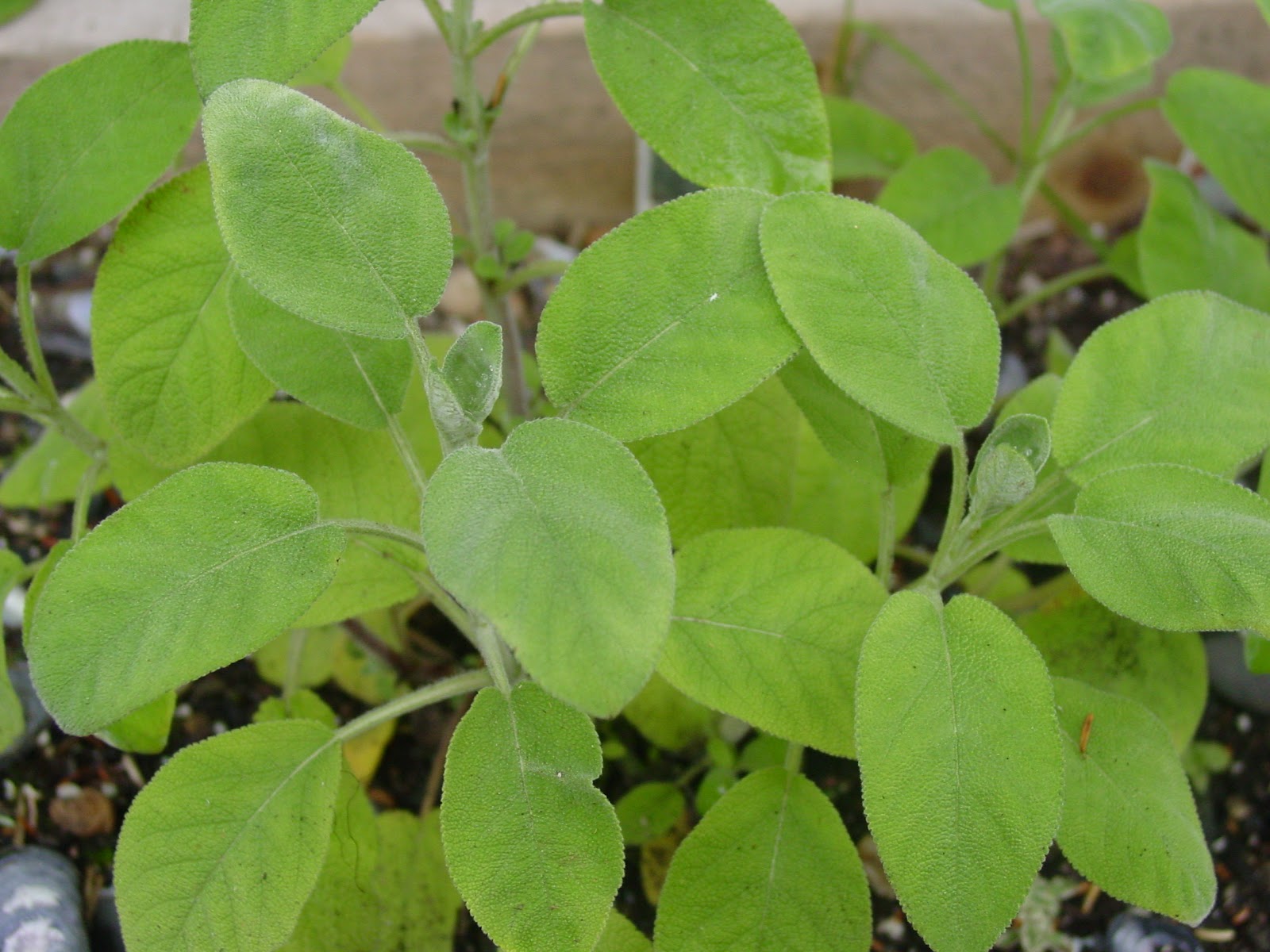
Herbs - everything except basil and cilantro (both of which I seeded) is outstanding and overgrown. I can't say enough about Don Abel's herb starts! From them I got rosemary, Vietnamese coriander, golden oregano, silver posie thyme,  golden thyme, Berggarten sage, golden delicious pineapple sage, and tangerine sage. My oregano patch that overwintered from last year has spread quite a bit, and I've seeded it elsewhere in the garden simply for ground cover. It's done the best in beds/pots with over a foot of soil.


 Kale - I couldn't live without it! I planted three varieties this year and will plant them all again.


  •  Red Russian is the most tender and is best for salads. The patch outside has done slightly better than the one in a hoop house.
  • Tuscano  is great for cooking (stir-frys and burritos) It sprouted the earliest of all the kales and is still around, though some are going to seed. I planted it in a covered bed April 15. Slugs don't touch it. 
  • Dwarf curled leaf is great for cooking and kale chips.  
I've eaten so well this summer that I can hardly complain about the weather. If you pick the right crops, you can have plenty of food--even in a record wet and cold summer in a temperate rainforest!


Saturday, July 7, 2012

Garden Eats

Growing up, I always loved eating salade de jardin, also known as garden salad. It's super simple, delicious, and varies the summer salad fair. This year I grew a patch of green leaf lettuce specifically for this dish! I just sprinkled a packet of seed over the bed (2x3 feet), raked it over with my hand, then patted it all down and watered. It comes in thick, which is what you want. You just grab a handful and snip off the tops of the plants with scissors, leaving about an inch so the plants can continue to grow. In Maine you can buy this stuff fresh by the yard! You don't have to grow it this way--it just works well and the leaves tend to stay small and tender. It's also handy since you have lettuce starts at hand to uproot and plant elsewhere in the garden when you harvest radishes or onions.


 Salade de Jardin (Garden Salad)
salade (green leaf lettuce)
onions (green onions)
crème sur (sour cream)
sel (salt)

First off, you will need to harvest about twice as much lettuce as you think you need. It's mats down considerably so don't wave off this advice. Wash each leaf of lettuce to remove debris and hiding slugs. Drain well (muy importante!) and hand shred into pieces like you would any salad. Chop the bulbs and greens of the onions. Place all in a bowl then plop on a wad of sour cream, salt it, then mix it all together with your clean hands. You really have to work it to get the sour cream to completely coat everything!  It should be tangy and slightly salty. Keep it in the fridge until you're ready to eat and enjoy it.


Monday, July 2, 2012

Eating locally

We're so lucky. We've always had at least one local food a day, and usually one at each meal. We're always grateful for eating locally, and many times we're humbled at how many local things we're eating. Saturday's example of our own ingredients:


Breakfast: 2 ingredients

Waffles and rhubarb sauce (eggs and rhu)

Lunch: 3 ingredients
Beany noodles and arugula pesto (arugula, onion greens)
Tea  (mint)

Supper: 15 ingredients

King salmon (Atlin caught)
Herb bread - homemade with (garlic, chives, rosemary, oregano, and thyme)
Salad (2 kinds lettuce, two kinds of kale, totsoi, radishes, onions, and arugula dressing)
Crisp (rhubarb and blueberries)

So that makes for 20 local ingredients today. And this isn't out of the ordinary--this is what every day is like spring to fall. Winter is a little more sparse, but still plentiful compared to most.


Arugula Pesto/Dressing

Ingredients: arugula, olive oil, walnuts, rice vinegar, water

Chop arugula coarsely and put in a blender with olive oil. Drizzle in enough to make the leaves wet and get the blender going. When it's bright green and the leaves are all finely chopped, add chopped walnuts and blend a bit more to break up the nuts. Serve on noodles, rice, or whatever you'd like. To make it into dressing stir in rice vinegar to taste, then add water (or more oil) to adjust thickness. It'll keep well in the fridge, so make a big batch and enjoy!

Saturday, June 9, 2012

Home is where the...garden is

Carcross morning 


The exceedingly wet and cold weather this spring has me already thinking "it'll be better next year."

It sent me to the Yukon and B.C searching for blue sky a possibly a new spread.


Shooting stars
Upon my return I was greeted by the 5 day growth spurt of my garden. Juneau always does that sort of thing. My garden  hasn't seemed to notice the lack of spring and has just leaped and bound on to summer mode. Greens for salads are abundant and we're swimming in rhubarb. The jungle aspect of the garden is in full force with frilly ferns nearly as tall as I am and skunk cabbage taller than Huck. The elderberries have covered their artful skeletons and busted out their corsages. Cloudberries are popping up everywhere, strawberries are sending runners, and dwarf dogwood is sporting it's bracts. I figure that if my garden is welcoming summer, so should I. Wearing complete rubber armor is a luxury. John Muir didn't have it this good!

 I keep weeding the chickweed and feeding it to the chickens. They love it so I guess I should too since it beats organic feed, which is .$.74 a pound. I wish I had known, though, when I made my first few beds, that the nitrogen in horse manure is not worth the weed seeds. Horse manure should definitely be hot composted to kill the weed seeds before using. What a resource all of those horses could be if their stall muckings were mixed with food scraps! Anyone need a project?


Toscano kale

European salad mix
I did some thinning today and put a few things in pots to bring to the Sunday Market. I'll have green leaf lettuce, Toscano kale, dwarf green curled kale, and Red Russian kale. I'll also be selling some fresh oregano, sage, and thyme. I'm lucky and grateful. I also ate a big fat salad full of homegrown greens and chives tonight. Can't beat it!

Monday, May 28, 2012

Time to eat!

I just ate my first salad of the season--a modest toss of fresh spinach, sorrel, and onions. I added kalamata olives, homemade balsamic dressing, and croutons Huck made from homemade bread.  I could go on about the other courses of the meal, but I'm too stuffed to think about it!


Turnips, garlic, spinach, carrots
Most of he vegetables are looking good and have been thinned. Things range from cotyledon stage to a foot tall. One thing that really surprised me about the early planting is the cold tolerance of sprouting seeds and emerging seedlings. I would have thought kale and chard to be among the most stout, however they were the last of all things to come up and have been the slowest growers. The kale that I started inside then transplanted is looking great though, and they far outshine their garden-sowed same-aged counterparts. Peas, lettuce, and spinach are more stout than I gave them credit for--next year I will plant lots of each in my first plantings for the year.
Just-planted zukes and squash
Over-wintered kale going to seed
I've been working on making small rock beds on the ends of the wooden raised beds. They're for perennials and really make the garden look like a nice place to hang out instead of just a vegetable factory! I never would have thought a few shrubs and flowers could make such a difference. I even got my parents to dig up and send a couple of wild hazel nut trees to me. We'll see how they do!  On the sunny day we had a few days ago Huck grabbed his camp chair and said, "Mom, let's go enjoy the garden," to which he hauled his chair up the hill, into the center of the garden, and sat. We're really enjoying the native plants--from the delicate current flowers to the marsh marrigold flowers, from the frilly ferns to the wonderful skunk cabbage musk. While all the vegetables in the garden are off and growing, it's left me with time to do a bunch of native landscaping. It's been fun, and I'm on my way to my long-term goal of representing all of Juneau's plants in my yard. 

Villous cinquefoil

Trailing black current
Yellow marsh-marigold


Today Huck and I started picking spruce tips from the giant trees in our yard. It's our first time, and we're pretty eager to see what we can make. Huck decided to make tea and I chose jelly, which I found instructions for here. We picked about half of the 18 cups of tips we'll need.